
Holidays in Tirol with a dog: making your trip a success
Holiday in Tyrol with a dog: pet passport, travelling from Berlin, hiking, cows on the alpine pastures, packing list and grooming before and after the trip.

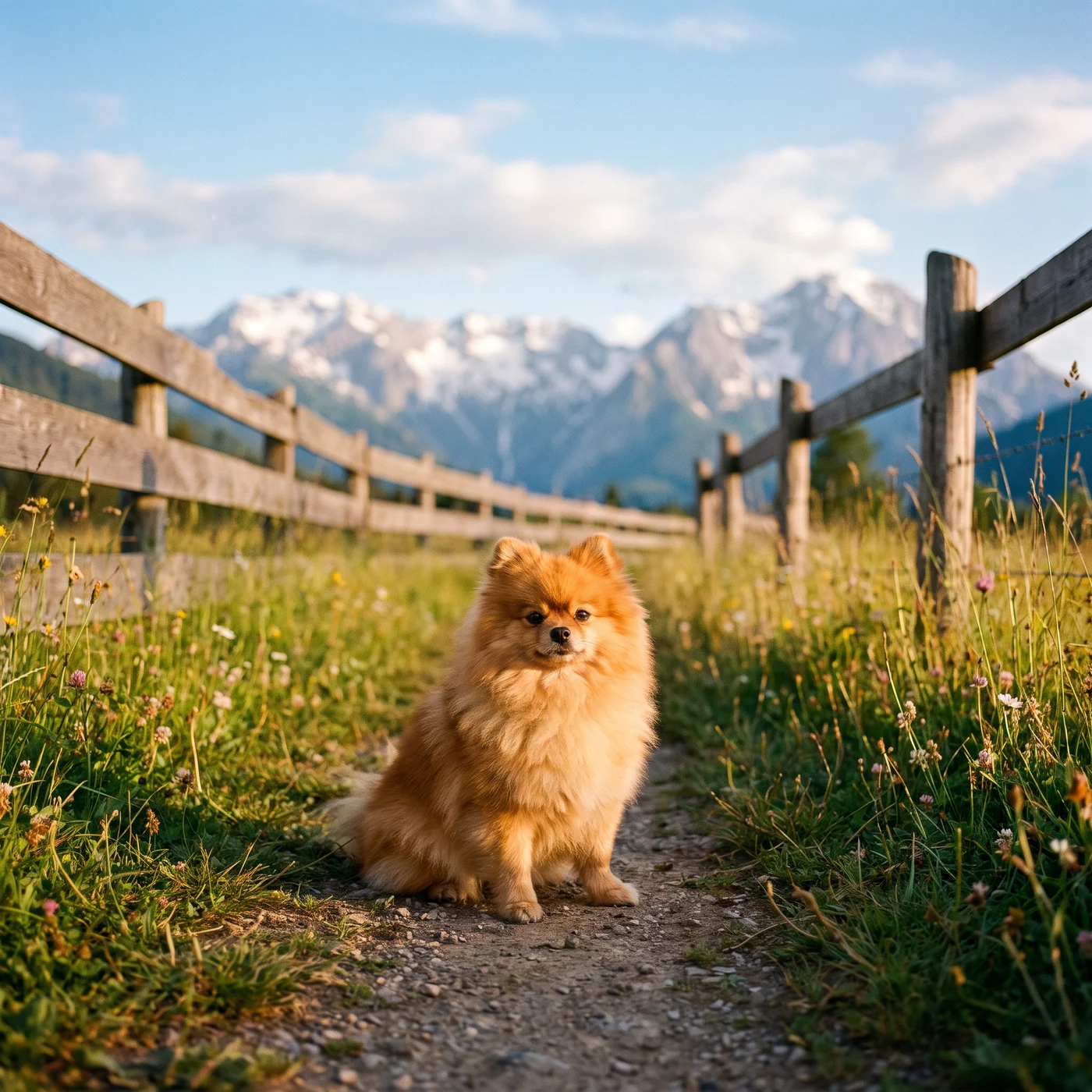
For a holiday in Tirol, your dog needs a microchip, an EU pet passport and a valid rabies vaccination. Plan hikes according to fitness and weather, take water, a lead and a muzzle with you, and keep your distance from cows on alpine pastures. Have your dog thoroughly brushed and their paws trimmed before the trip, so fewer burrs, awns and dirt stick in the coat. After the holiday, we remove loose undercoat and check the skin, paws and nails at GroomRoom in Berlin.
- Entry
- Microchip, EU pet passport, valid rabies vaccination
- Puppies
- Rabies vaccination at 12 weeks at the earliest, valid after 21 days
- On the alpine pastures
- Keep your distance from cows, keep your dog on a short lead, let go if attacked
- Before the trip
- Brush the coat, trim the paws, check the nails
- After the trip
- Mini Grooming from 59 €, Full Grooming from 79 €
A holiday in Tirol with your dog is a success when you plan paperwork, travel, tours and grooming in good time. To enter Austria, your dog needs a microchip, an EU pet passport and a valid rabies vaccination. In the mountains, fitness, plenty of water and the right behaviour on alpine pastures with cows are what count. Have the coat thoroughly brushed and the paws trimmed before you travel. After your holiday, we'll take care of loose undercoat, skin and nails at our dog grooming salon GroomRoom in Berlin Charlottenburg.
Tirol or Südtirol: What you should know before booking
The Austrian state of Tirol consists of Nordtirol with Innsbruck and the smaller Osttirol. Südtirol, with Meran and the Kalterer See, belongs to Italy. Both countries are in the EU, so the same basic rules apply for entering with a dog. However, lead requirements, muzzles and rules on public transport vary from country to country and often from place to place.
So check exactly which country your accommodation is in when booking. You can find out the current rules for dogs from the local tourist board or municipality. They also know which paths, lakes and bathing spots are closed to dogs.
The paperwork your dog needs for entry
For travel within the EU, your dog needs three things: a microchip, an EU pet passport and a valid rabies vaccination. The chip must be inserted before the rabies vaccination, otherwise the vaccination isn't valid for travel. Your vet will issue the pet passport and enter the chip number and vaccinations.
The first rabies vaccination can be given at 12 weeks of age at the earliest. For travel, it is only valid 21 days after this first jab. This means a puppy can usually only travel abroad at around 15 weeks. For older dogs, make sure the booster is given before the old vaccination expires.
Check entry rules and vaccination status with your vet at least a few weeks before departure. Rules can change, and a forgotten booster often can't be caught up on at short notice.
Ask your vet at this appointment about suitable tick protection for the mountains. Also pack proof of your dog liability insurance, just in case something happens on the way.
Travelling from Berlin: Well prepared for the journey
It's a good 700 kilometres from Berlin to Innsbruck by car. Allow plenty of time for the journey and take a break every two to three hours for water and a short walk. Secure your dog in the car using a travel crate or a seatbelt harness. Never leave them in a parked car in warm weather, not even for a few minutes.
It's best to feed a smaller portion on travel day to prevent travel sickness. For train journeys, each operator has its own rules regarding tickets, leads and muzzles. Check these before booking so there are no surprises on the platform.
Finding dog-friendly accommodation
Dog-friendly means something different at every accommodation. That's why you should ask specific questions before booking and get the answers in writing. These questions will help:
- Is your dog allowed in the room, and can they be left alone there?
- Is there an extra charge per night for your dog, and what does it include?
- Is your dog allowed in the breakfast room or restaurant?
- Are there green spaces or paths nearby for a quick morning and evening walk?
- Is there a place where you can rinse off wet and dirty paws?
Bring your dog's usual blanket and bowl from home. Familiar smells will help them settle down more quickly in a new environment.
Hiking with your dog in the mountains of Tirol
Keep your first few hikes short and only increase the distance and elevation after a few days. A dog used to walking mostly on flat paths in Berlin won't be used to steep climbs. Growing young dogs, senior dogs and flat-faced breeds like Pugs or French Bulldogs need extra care. Choose trails without ladders, via ferratas or exposed drops.
Rocks and tarmac get very hot in the summer sun. Start early in the morning and always bring plenty of water and a collapsible bowl. Not every stream is right on the trail, and mountain huts have different rules for dogs. Mountain weather changes quickly, so always check the forecast before you set off.
Sharp rocks can graze paw pads and cause small cuts. Check their paws during every break and give them a thorough look over in the evening. Keep your dog on a lead in the woods and along the trail so they don't startle wildlife. Always carry poo bags, too, as dog waste in meadows contaminates the cows' feed.
Many cable cars allow dogs, but each operator sets its own rules. This usually involves tickets, leads and muzzles. Ask at the valley station before planning a hike that includes a gondola ride. At lakes and streams, check first if dogs are allowed to swim and if the current is gentle enough. After a swim, do not leave your dog lying wet in the blazing sun, but dry them off with a towel instead.
Alpine pastures and cows: how to stay safe
In summer, cows graze on many alpine pastures in Tirol, often mother cows with their calves. Mother cows see dogs as a threat to their calves and can attack. Follow these rules to cross the pasture safely:
- Keep a wide distance from the animals and walk calmly along the edge of the pasture.
- Keep your dog on a short lead and don't let them bark or run towards the animals.
- Don't pet or feed the cows, and never walk between a mother cow and her calf.
- Keep an eye on the animals, and if they lower their heads or snort, leave the pasture quickly.
- If a cow attacks, let your dog off the lead immediately so you can both get to safety.
- Close gates behind you and follow any signs from the farmers.
Don't run in the pasture, as fast movements will alarm the herd even more. If a herd is too close to the path, it's better to find another way around the pasture.
Packing list for a holiday with your dog
With this list, you won't forget anything important for your trip to Tirol.
- EU pet passport and proof of dog liability insurance
- Lead, a well-fitting harness and a muzzle your dog is used to
- Water, a collapsible bowl and their usual food for the whole trip
- Poo bags, a towel and paw balm
- Tick remover and tick prevention from the vet
- Slicker brush and metal comb for daily checks
- Small first aid kit with bandages and wound spray
- Familiar blanket and favourite toy
- Light-up collar or reflector for early and late walks
- Address and phone number of a vet clinic near your accommodation
Dog grooming before, during and after your holiday
A visit to your dog groomer about one to two weeks before you leave makes the holiday more comfortable for your dog. Brushed, tangle-free fur catches fewer burrs, grass awns and dirt. Grass awns are sharp seed pods that can burrow into paws, ears and armpits. Trimmed paws collect fewer small stones, and short nails are less likely to break on rocks. You shouldn't shave dogs with a double coat short for the summer, as the topcoat protects their skin from the sun.
On holiday, give your dog a quick brush every evening and check for ticks and grass awns. After swimming in a lake, dry the coat thoroughly to prevent knots from forming. We explain how to avoid matting between appointments in our article Preventing matting. For a winter holiday in the snow, you'll find tips in our article Dog grooming in winter.
After your holiday, an appointment at our dog grooming salon Berlin gets your dog's coat and skin back in top condition. In our Mini Grooming from 59 €, we wash, dry and comb your dog, and take care of their nails, eyes, paws and hygiene areas. The Full Grooming from 79 € also includes a breed-standard cut. We'll give you the final price before the appointment; all starting prices are on our Prices page.
It's best to book your post-holiday appointment before you leave. We are open Tuesday to Saturday from 10 to 18 at Giesebrechtstraße 2. You can reserve your preferred time around the clock: Book appointment online.
Frequently Asked Questions
What documents does my dog need to enter Austria?
Your dog needs a microchip, an EU pet passport and a valid rabies vaccination. The first rabies vaccination can be given at 12 weeks at the earliest and is only valid for travel after 21 days. Check the details with your vet in good time, as rules can change.
Is Tyrol a good holiday destination with a dog?
Tyrol is great for active dogs because of its many hiking trails, lakes and valleys. Good fitness, suitable routes and respect for grazing cattle and wildlife are important. Ask your accommodation, cable car operators and mountain huts about their dog policies in advance.
How should I handle my dog around cows on an alpine pasture?
Keep your distance from the animals, especially mother cows with calves, and keep your dog on a short lead. Stay calm and walk on briskly without running. If a cow attacks, let go of your dog immediately so they can get to safety.
Does my dog need a muzzle in Austria?
Lead and muzzle rules in Austria are set by the federal states and local councils, and a muzzle is often required on buses and trains. So pack a well-fitting muzzle and get your dog used to it at home. You can find out the local rules from the local council or tourist board.
Should my dog go to the dog groomer before our holiday?
An appointment about one to two weeks before your trip is well worth it. A brushed, mat-free coat catches fewer burrs, grass awns and dirt, and neatly trimmed paws collect fewer small stones. A Mini Groom starts at 59 € here at GroomRoom Berlin, and a Full Groom starts at 79 €.
Should I get my dog clipped short for our summer holiday?
You shouldn't clip dogs with a double coat, like a Spitz, Pomeranian or Golden Retriever, short even in summer. The topcoat protects their skin from the sun, and the coat often grows back unevenly after being clipped. Thoroughly brushing out the loose undercoat helps your dog much more in the heat.
This guide is backed by the experience from our salon. Calculate price or book an appointment.